What kind of helmet should I get for mountain biking?
Whether you should get a half-shell or full-face mountain biking helmet depends on how and where you ride. A half-shell is lighter and better ventilated, which makes it the right pick for cross-country and trail riding. A full-face adds a chin bar for the protection you need at higher speeds, so it's the better choice for enduro, downhill, and bike park riding.
How should a mountain bike helmet fit?
A mountain bike helmet should sit level and low on your forehead, snug enough that it doesn't shift when you shake your head. The chin strap and webbing should sit close against your jaw without feeling tight, since a loose retention system won't hold the helmet in place during a crash. Many Smith Optics helmets also include an adjustable fit system that dials in within your size, and full-face helmets come with different pad thicknesses so you can fine-tune the fit further. To find your starting size, measure around your head just above your eyebrows and compare it to the size chart.
What safety features should I look for in a mountain bike helmet?
Look for a current safety certification, like CPSC, and rotational impact protection. Every Smith Optics mountain bike helmet includes the Mips® safety system, and select models add complete KOROYD® coverage for lightweight impact protection.
Can I use a road bike helmet for mountain biking?
You can, but it's not ideal. Mountain bike helmets extend coverage lower on the back and sides to protect against the kinds of falls and impacts that are more common off-road, and include a visor to shield your eyes from the sun and trail debris.
Do I need to replace my helmet after a crash?
Yes. Replace any helmet after a significant impact, even if it looks fine, since the protective structure can be weakened without visible damage. Smith Optics’ Crash Replacement policy offers 40% off MSRP on a replacement for an activity-related crash reported within two years of purchase, limited to one per customer per year.
Can I wear goggles or sunglasses with a Smith Optics helmet?
Yes. Smith Optics mountain bike helmets are designed for ultimate integration with both goggles and sunglasses, and many have an adjustable visor you can flip up to stow your eyewear between runs.


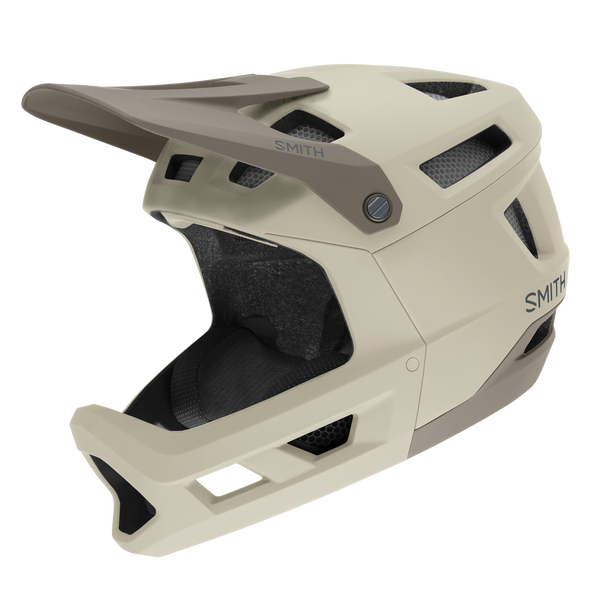 Mainline Mips® €310,00 Add to cart
 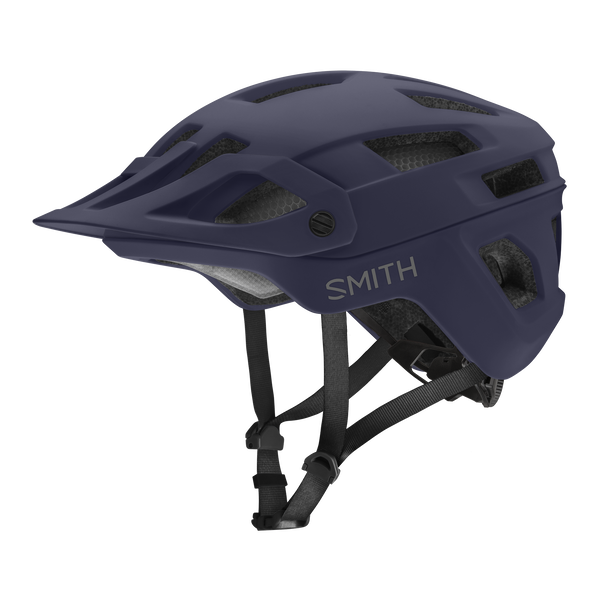 Engage Mips® €130,00 Add to cart
 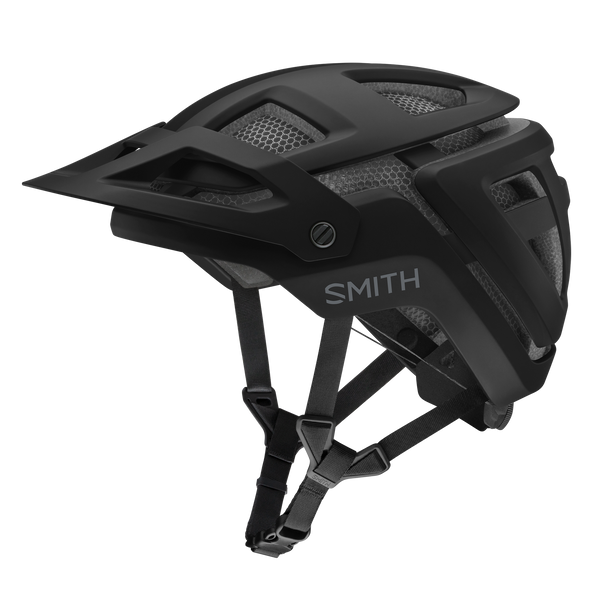 Forefront 3 Mips® €270,00 Add to cart
 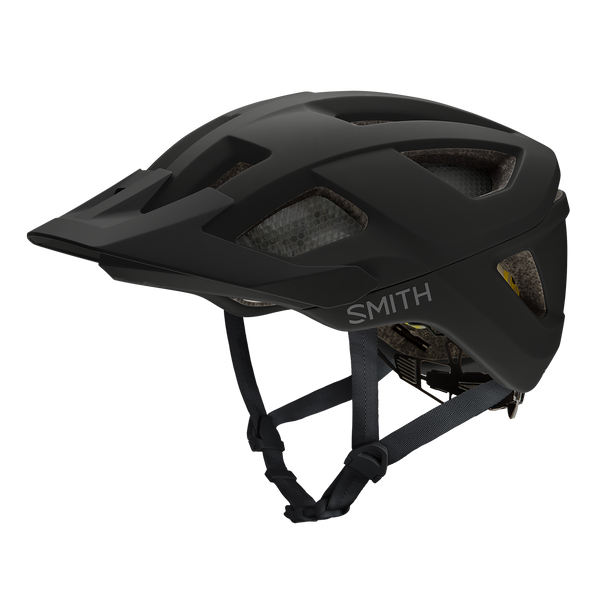 Sale Session Mips® - Past Season €102,00
 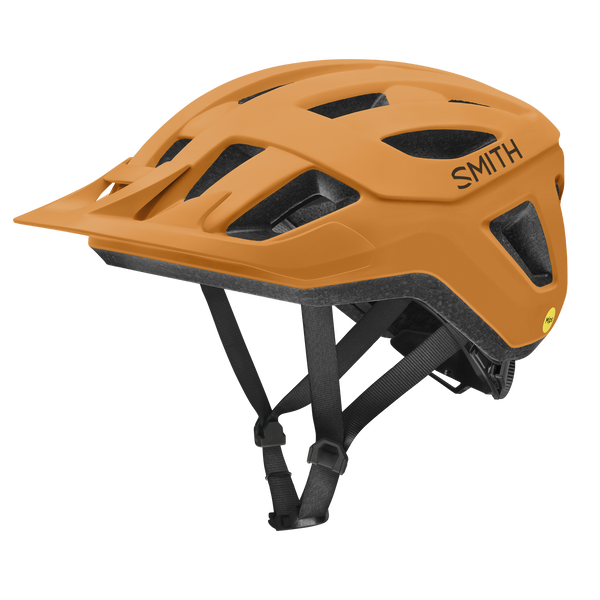 Convoy Mips® - Past Season €85,00 Add to cart
 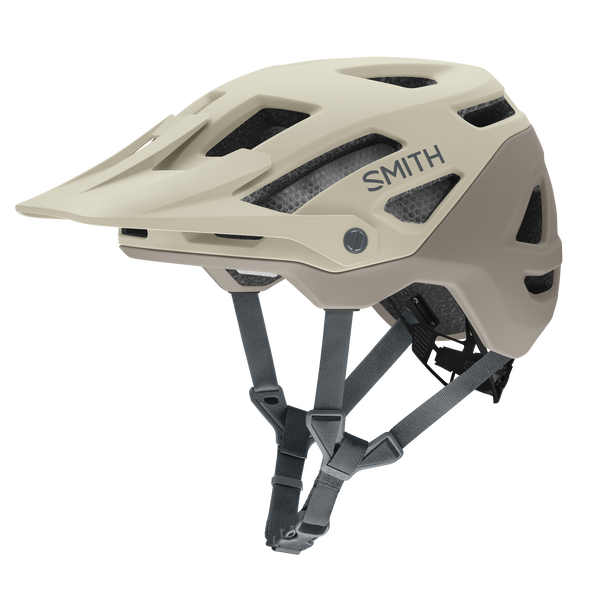 Payroll Mips® €200,00 Add to cart
 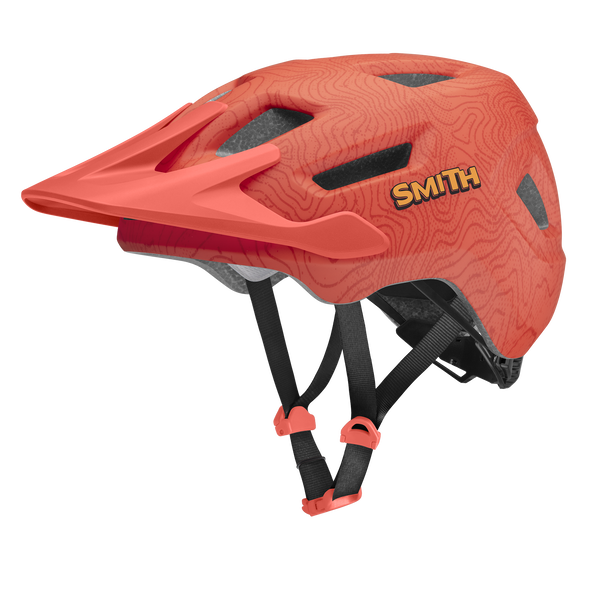 Sidekick Jr. Mips® €75,00 Add to cart
 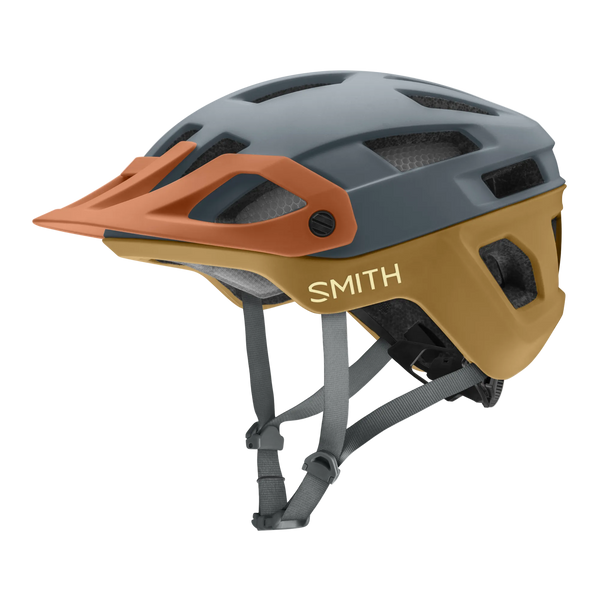 Sale Engage Mips® - Past Season €78,00
  Pilot Mips® €85,00 Add to cart
  Sold out Mainline Mips® - Past Season €186,00
 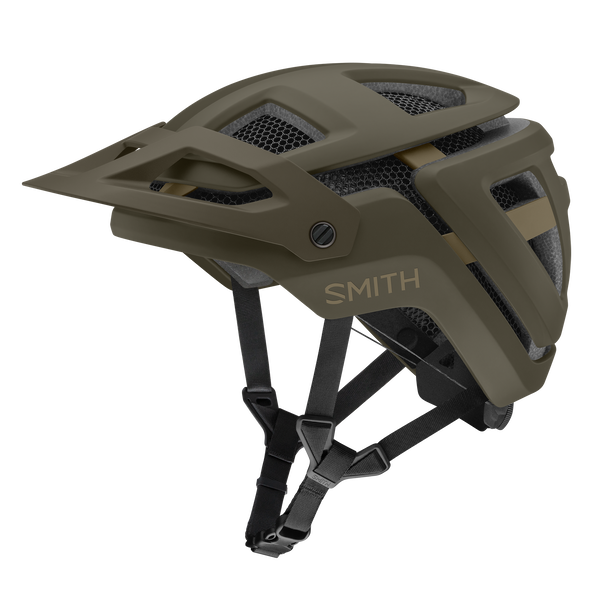 Sale Forefront 3 Mips® - Past Season €162,00
 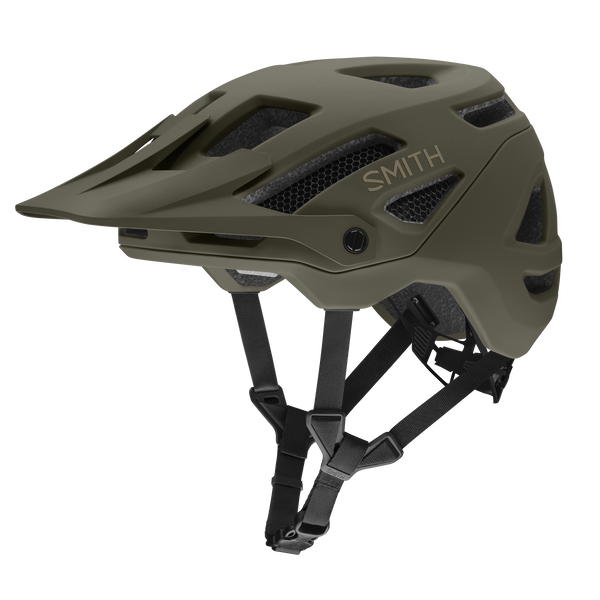 Sale Payroll Mips® - Past Season €120,00
 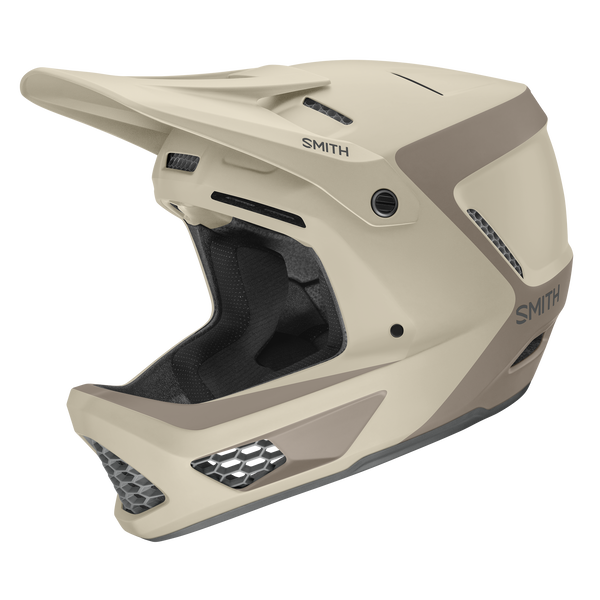 Hardline Mips® €390,00 Add to cart
  Sold out Pilot Mips® - Past Season €57,00
  Hardline Carbon Mips® €520,00 Add to cart
  Sidekick Jr. Mips® - Past Season €75,00 Add to cart
  Sold out Hardline Mips® - Past Season €234,00
  Sold out Payroll Mips® Twiceme €206,95


